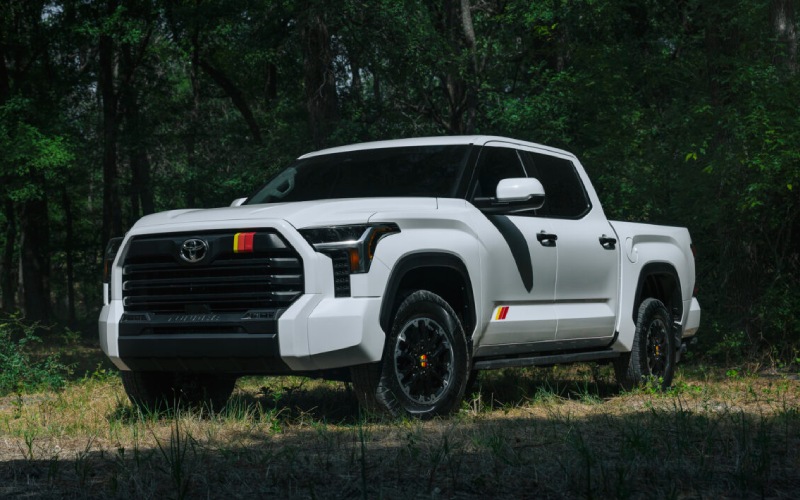
Bill Estes Toyota - Is the 2026 Toyota Tundra a Smart Towing Truck for Indianapolis, IN Shoppers?
Choosing a truck for towing around central Indiana means looking beyond a single capability number. A strong pickup should have confident power, helpful trailering technology, stable road manners, useful visibility, and a cabin that keeps important information easy to read. The 2026 Toyota Tundra checks those boxes with a modern powertrain lineup, an available suite of trailer-assistance systems, and Toyota engineering designed to make towing feel more manageable. For shoppers who plan to pull a camper, boat, utility trailer, small equipment trailer, or recreational gear, the Tundra deserves a serious place on the comparison list.
Indianapolis-area driving can ask a lot from a tow vehicle. A truck may need to merge onto I-465, maintain composure through construction zones, navigate suburban streets near Carmel or Fishers, and still feel controlled when backing a trailer into a driveway or storage spot. The 2026 Tundra is designed with this kind of varied use in mind. Toyota lists a max towing capacity of up to 12,000 lbs. when properly equipped, and the available i-FORCE MAX twin-turbo V6 hybrid powertrain produces 437 horsepower and 583 lb.-ft. of torque. Those figures matter because torque helps a truck get weight moving with less strain, while stable suspension tuning and smart trailering features help support driver confidence.
Why Towing Confidence Starts With Power
The Tundra’s powertrain options are a major reason it stands out. The i-FORCE twin-turbo V6 engine delivers 389 horsepower and 479 lb.-ft. of torque, giving the truck a strong foundation for daily hauling and towing needs. For shoppers who want even more response, the available i-FORCE MAX twin-turbo V6 hybrid powertrain pairs a turbocharged gasoline engine with an electric motor for added power. That setup is especially helpful when accelerating from a stop, climbing grades, or merging with a trailer attached.
Power is not only about peak output. It also affects how relaxed a truck feels during normal towing. A confident engine can help reduce the sensation of working hard every time traffic changes pace. Around Indianapolis, where routes can shift from city traffic to open highway quickly, smooth and responsive performance can make towing feel more predictable. The Tundra’s available selectable driving and TOW/HAUL modes further support the truck’s ability to adapt to heavier loads.
Trailer Technology That Helps in Real Situations
Towing is often most stressful at low speeds, especially when backing up. The 2026 Toyota Tundra addresses that with available Trailer Backup Guide With Straight Path Assist. Using sensors and cameras, this driver-assistance technology helps keep a trailer in a straight line as the truck reverses. For owners who may tow only several times a month, or for shoppers moving up from a smaller vehicle, that kind of support can be a major confidence builder.
The available Panoramic View Monitor is another valuable tool. Toyota notes that this system uses cameras on the front, sides, and rear of the truck to provide a 360-degree view of what is happening outside. When lining up a hitch, maneuvering near a trailer, backing near obstacles, or checking space in a tight lot, better visibility can reduce guesswork. The available 12.3-in. digital gauge cluster can also provide access to towing functions, safety information, navigation, audio controls, and off-road features, helping keep essential details organized in front of the driver.
Suspension and Stability Matter
A capable tow rating is important, but ride control is just as important. Tundra’s coil-spring multi-link rear suspension is designed to deliver ride comfort, towing stability, and handling dynamics. This is a meaningful advantage for daily driving and towing alike. Empty trucks can sometimes feel stiff or unsettled, while loaded trucks need stable body control. Toyota’s suspension approach helps the Tundra feel more composed across different road surfaces.
For Indianapolis shoppers, that can make a difference on routes that include patched pavement, highway expansion joints, crowded interchanges, and local access roads. A truck that feels stable while towing can help reduce fatigue during longer drives. It also supports a more confident feeling when changing lanes, turning, or slowing down with weight behind the vehicle. As always, drivers should follow proper towing setup procedures, stay within vehicle ratings, balance trailer weight correctly, and use appropriate equipment.
What to Compare Before Choosing a Tundra for Towing
Before selecting a specific 2026 Tundra, shoppers should match the truck configuration to real towing needs. The right answer depends on trailer size, cargo weight, passenger load, bed length preference, and desired technology. A weekend camper owner may have different priorities than a small business owner hauling equipment, while a family towing recreational gear may want a trim with more comfort and multimedia features.
- Powertrain: Compare i-FORCE and available i-FORCE MAX based on desired torque, acceleration feel, and towing expectations.
- Towing equipment: Look for features such as Integrated Trailer Brake Controller and selectable driving and TOW/HAUL modes.
- Camera support: Consider available Panoramic View Monitor and Trailer Backup Guide With Straight Path Assist for low-speed maneuvering.
- Bed length: Review 5.5-ft., 6.5-ft. and 8.1-ft. options based on cargo needs and parking preferences.
- Interior displays: Evaluate available 12.3-in. digital gauge cluster and 14-in. Toyota Audio Multimedia touchscreen for easy access to towing information.
These details help turn a broad truck search into a practical decision. A towing-focused shopper should also discuss payload, hitch equipment, cargo distribution, and the specific trailer being used. A truck’s maximum towing capacity applies only when properly equipped, and real-world towing depends on the complete setup. Taking time to verify those details before purchase can lead to better long-term satisfaction.
Comfort Still Counts When Towing
Even serious capability should come with a comfortable cabin. Tundra offers available features such as leather-trimmed power-adjustable front seats, a large Toyota Audio Multimedia touchscreen, a power tilt/slide panoramic roof with power sunshade on select grades, and available JBL® Premium Audio on higher trims. These features may not pull a trailer, but they can make a long day behind the wheel feel easier.
The Tundra lineup also gives shoppers several personalities to consider. Limited, Platinum, 1794 Edition, TRD Pro, and Capstone trims each bring a different mix of design, comfort, and capability. The 1794 Edition offers distinctive touches such as Saddle Tan interior with American walnut wood-grain trim, while TRD Pro adds off-road equipment including BBS® forged-aluminum wheels with Falken® WILDPEAK All-Terrain tires and FOX® shocks. If towing is part of a broader outdoor lifestyle, a TRD-focused model may be especially appealing.
Frequently Asked Questions:
How much can the 2026 Toyota Tundra tow?
When properly equipped, the 2026 Toyota Tundra has a max towing capacity of up to 12,000 lbs. Actual capability depends on trim, powertrain, equipment, trailer setup, cargo, passengers, and accessories. Always confirm the rating for the specific configuration before towing.
Which Tundra powertrain is best for towing?
The available i-FORCE MAX twin-turbo V6 hybrid powertrain is especially compelling for towing because it produces 437 horsepower and 583 lb.-ft. of torque. The i-FORCE twin-turbo V6 engine is also strong, with 389 horsepower and 479 lb.-ft. of torque.
Does the Tundra help with backing up a trailer?
Yes, the 2026 Tundra offers available Trailer Backup Guide With Straight Path Assist. This technology uses sensors and cameras to help keep a trailer in a straight line while reversing, which can be useful in driveways, campsites, ramps, and tighter parking areas.
Is the 2026 Tundra comfortable enough for daily driving?
Yes. Tundra’s coil-spring multi-link rear suspension is designed to improve ride comfort, towing stability, and handling dynamics. Available premium seating, large displays, and advanced multimedia features further help make it comfortable for everyday use.
For shoppers focused on towing, the 2026 Toyota Tundra offers more than raw strength. It brings serious torque, helpful camera systems, available trailer assistance, a stable suspension design, and a cabin built for long days and everyday drives. That combination makes it a smart match for drivers who want a pickup that can work hard without feeling one-dimensional. Whether your towing plans involve tools, trailers, boats, campers, or weekend gear, the Tundra is built to help make the job feel more controlled from start to finish.
Request more 2026 Toyota Tundra information
Categories:
Toyota Tundra